Allotment Journal: Plot update

It’s been a week of mixed weather consequently we’ve not managed to go to the allotment that much this week. However, saying that, we have achieved a fair bit.

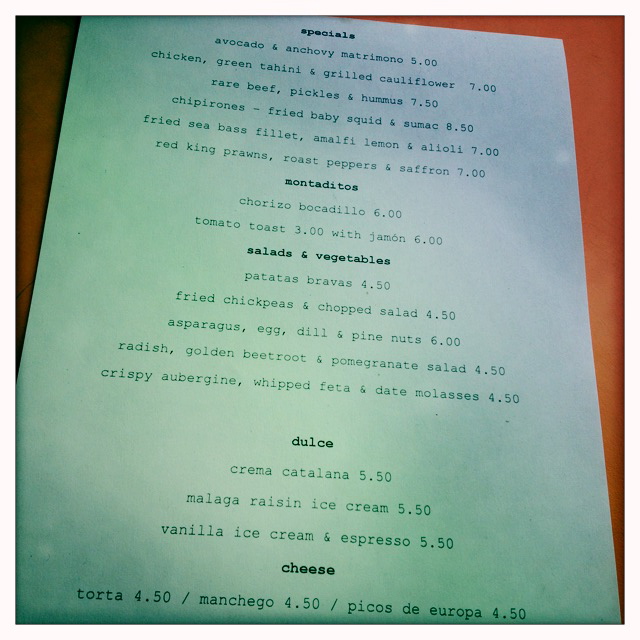
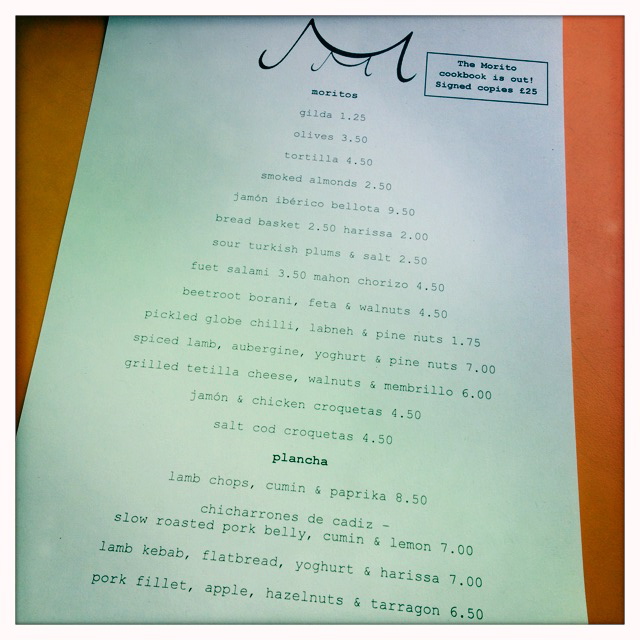
With the weather rather unsettled I decided to play hooky and head to London to go to one of my favourite restaurants, Morito. I left London just over three years ago and sadly there really isn’t anything close to this type of food in Hastings. Morito serve the most delicious tapas, their style is North Africa meets Spain with a little Middle East thrown in. The restaurant, along with Moro, is owned by the culinary geniuses, husband and wife, Sam and Sam Clark.

 Image
Menu
Image
Image

My trip didn’t disappoint. We worked our way through the menu over the course of 3 hours…..totally inspired by their menu I’m planning to use some of the produce from the allotment to create some of their dishes such as

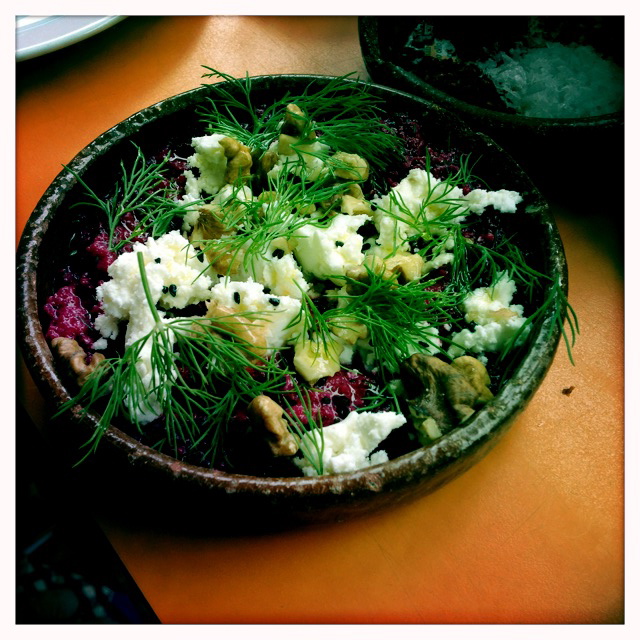
Beetroot Borani, served with feta, walnuts and dill
Image

Potato and Courgette Tortilla

Image

Turkish Sour Plums and salt

Image

Anyway, I digress. After a lovely lunch I returned to the allotment and got stuck in, there is much to do. Last week we came up with a draft plan for plot two, which involves the removal of two huge couch weed and bindwind mounds not to mention a bath, bags of couch weed and bindweed roots, and old bits of rotting timber. We plan to construct some proper compost bins and a shed. Before any of this can be sone we need to clear the site and move the current compost area.

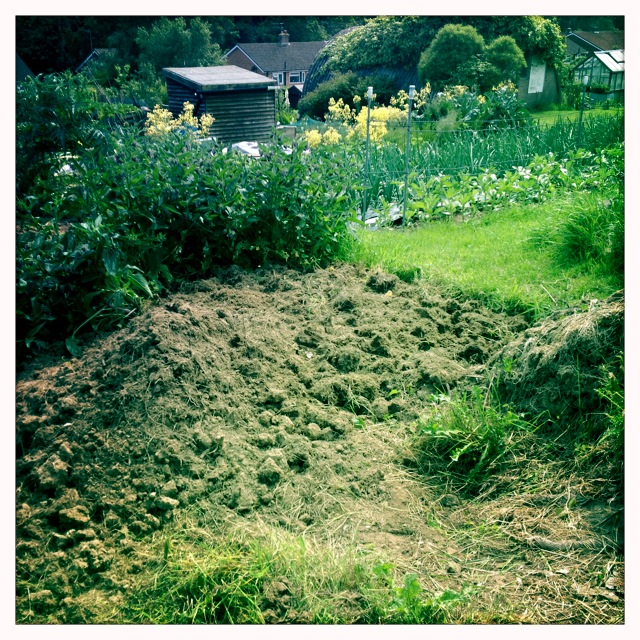
This is what the back of the plot looked like on the left hand side. It doesn’t really show the full horror of the work to be undertaken.

Image

The bath has posed a problem ever since we dug it out. It is far too long to go in the back of my Mini. I’m not sure why we’ve never thought about this before, but someone suggested we break it up…. Genius! After all it’s only made from fibreglass and it already has some broken bits…. so I set to work. There was a bit of a tussle but after about ten minutes it was in pieces, sufficiently small enough to go in the back of the car. I loaded it up along with the all the other and took it to the tip.

Image

So with the area cleared of rubbish I could start to dig out one of the mounds. These mounds were created just over a year ago, we cleared the plot by removing the top layer, so essentially sections of turf and weeds. In those days we didn’t really understand what couch weed and bindweed was so we just piled everything on the mound. ROOKIE error! It took the best part of five hours. I painstakingly removed all bindweed and couch roots, placing them in a bag for the tip. The weed free soil placed in another pile and any foliage from the surface of the mound on a new compost heap. So one down and one HUGE mound to go.
Image

We spent some time on plot one over the weekend. We sowed more beetroot seeds and some Mikado Spinach, this is an oriental leaf.

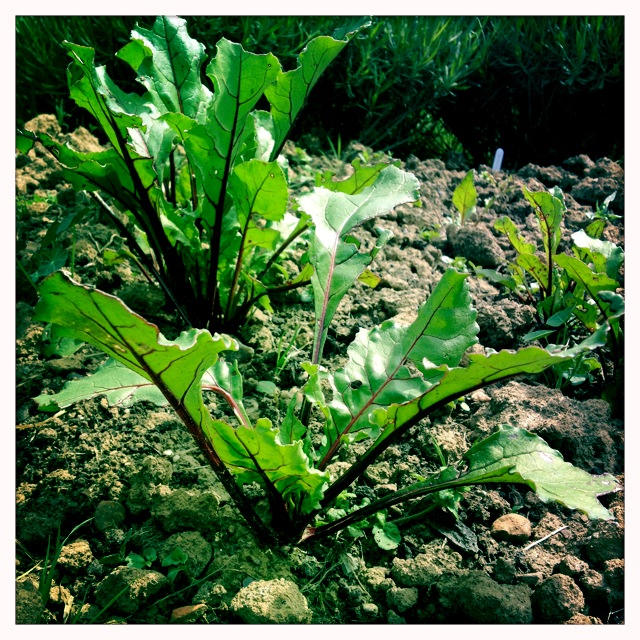
The beetroots have suddenly started to grow really well, obviously enjoying the warmer weather and plentiful supply of rain
IMG_7922

Grass is growing at a rate of knots and weeds are literally popping up everywhere. So the plot was strimmed and weeds removed.

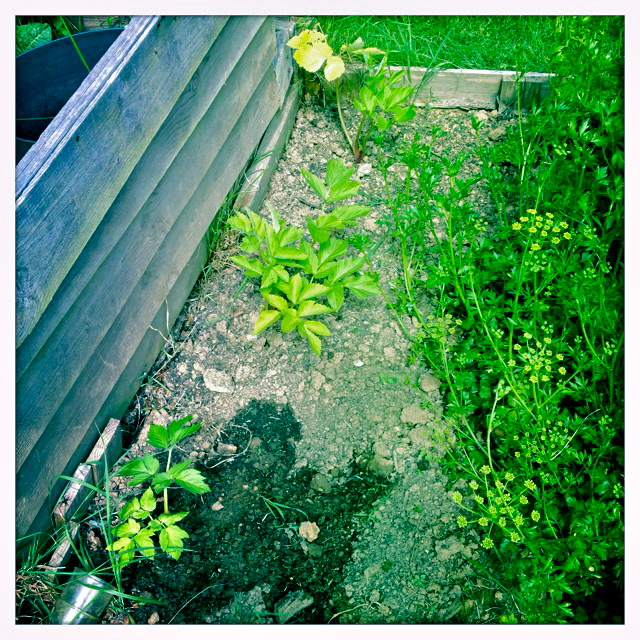
Oh and I know this is getting rather dull, but I like to plant things in odd numbers. I found another Angelica. It’s going to make an impressive hedge! And plenty of stems to candy…
IMG_7971

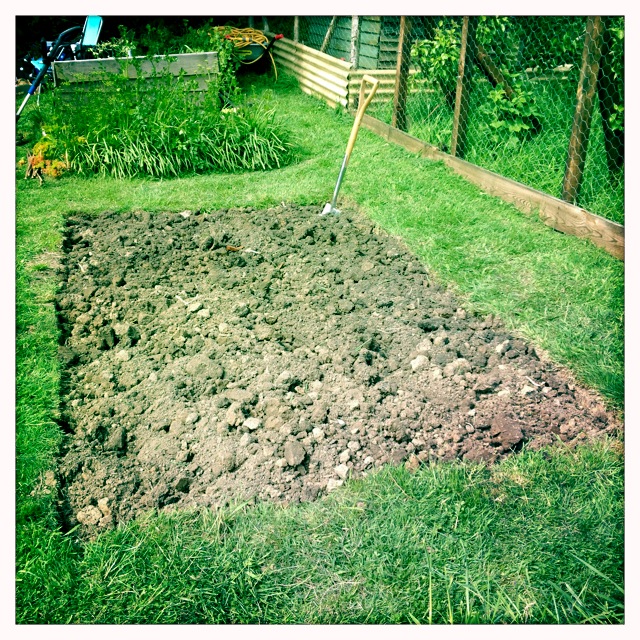
It’s almost time to plant out the 64 Swift sweetcorn plants I have sown, grown and nurtured at home. I also have grown 5 courgette dwarf Bush form Verde Di Milano, also ready to be planted out. They have been hardening off on my balcony. So it’s time to get the vegetable beds ready. I share the three plots with Sal, who LOVES straight lines. I have to say she did a rather marvellous job on this vegetable bed.
IMG_7965

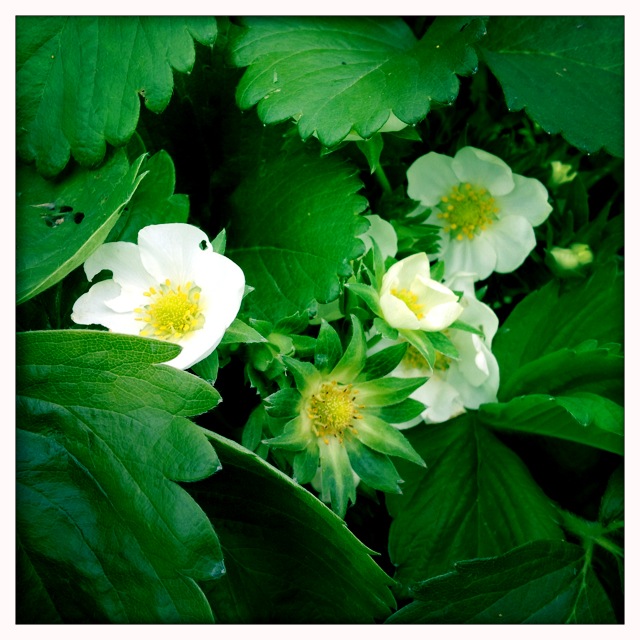
The strawberries are beginning to ripen; this is our first strawberry of the year!

IMG_8035


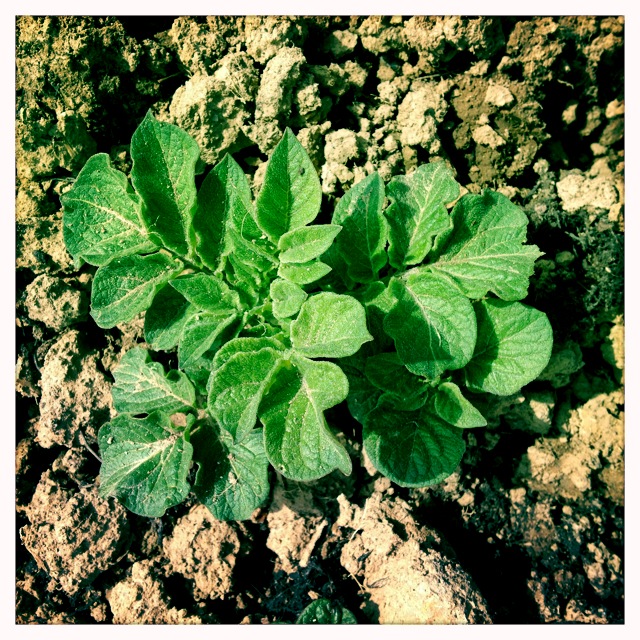
On the orchard plot we didn’t do much this week. I earthed up the potatoes once more. The heavy rainfall is just what they needed and will help swell their tubers. The compost we are using helps retain moisture and warmth, as you can see they are going bonkers!

IMG_7974


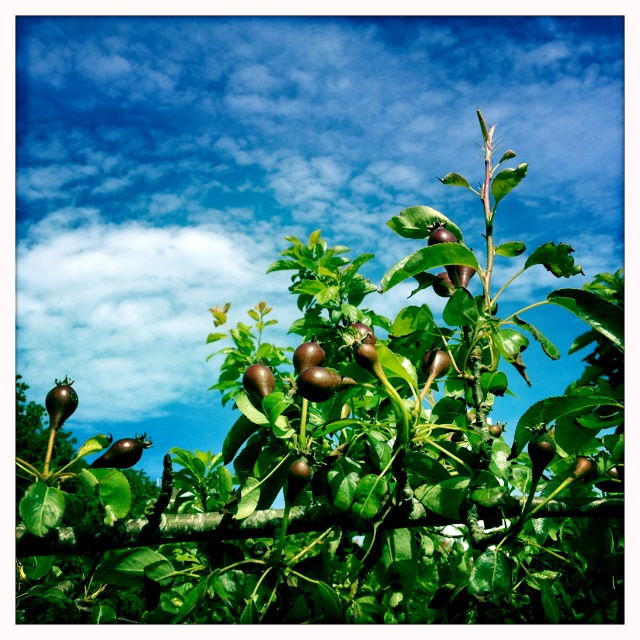
The pears and plums are still on the trees and the fruit is filling out………..

IMG_7998

IMG_8002

But only time will tell, ‘June Drop’ is just around the corner. So we will see how well the trees are this year. Hoping they have moved from being on the ‘critical’  list to at least stable.

So next week there will be more mound removal, it certainly saves on a gym membership!
 

Posted in Allotment Journal

May – What we’re sowing

May is another incredibly busy month for sowing seeds and I’ve been busy; my potting room is full to bursting!

This is what I’ve been sowing this month

Alliums

IMG_7843


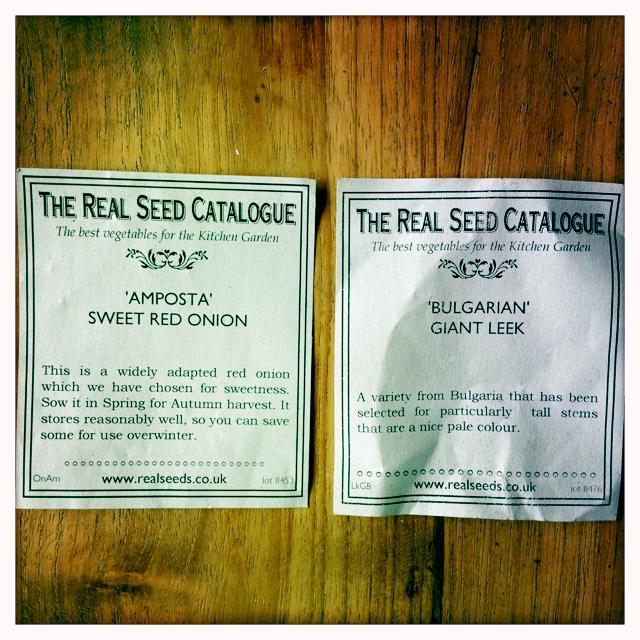
Amposta – Sweet Red Onion

I use a LOT of red onions, whilst they’re not especially expensive to buy, I saw this variety for sale on the Real Seed Catalogue website, and I thought we should try some. It’s also a crop that can overwinter, so something to look forward to in the spring when there is little else to harvest.

Bulgarian Giant Leeks

I’ve been pondering as to whether I should try the Bulgarian Giant leek or not for quite a while. They grow very large, about a metre tall, one leek would be enough to feed a family of 4! They’re quite tender so won’t overwinter well but I like to try new and unusual varieties. You definitely can’t buy these leeks in the shops, and I’m not sure how they will fit into the fridge!

Legumes

Last month we sowed Borlotti beans and Moonlight runner beans, both of which I managed to successfully kill whilst trying to harden the young plants off. The strong coastal winds wreaked havoc! So I re-sowed and now have new seedings.

Additionally I sowed some French Beans. Aquilon, Dwarf French Bean, took my fancy as they have long green pods growing up to 20 cm long (which seems odd as this is a dwarf green French bean), they are stringless and prolific. I usually grow Blue Lake, Cobra or Cosse de Violette but as space is a premium this year, we’re also growing lots of peas, sweetpeas, borlotti beans, runner beans I thought the dwarf variety would be the most suitable.

IMG_7833


Roots

IMG_7836

We sowed various varieties of of beetroot directly into the ground at the allotment around a month ago. It seems hungry snails and slugs have harvested the young tender leaves as they emerged from the ground, we are left with EIGHT beetroots!

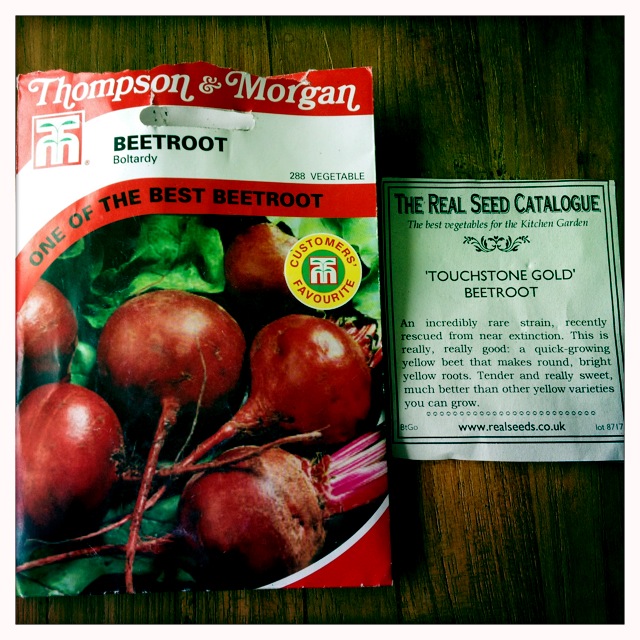
Sowing beetroot in situ is always best as they really don’t transfer well. However, saying that, I have decided to sow some seeds in deep root trainer modules. I have chosen two varieties, Boltardy and Touchstone Gold. I love golden beetroot and it’s not always available to buy in the shops. This variety is excellent.

Brassica’s

IMG_7869

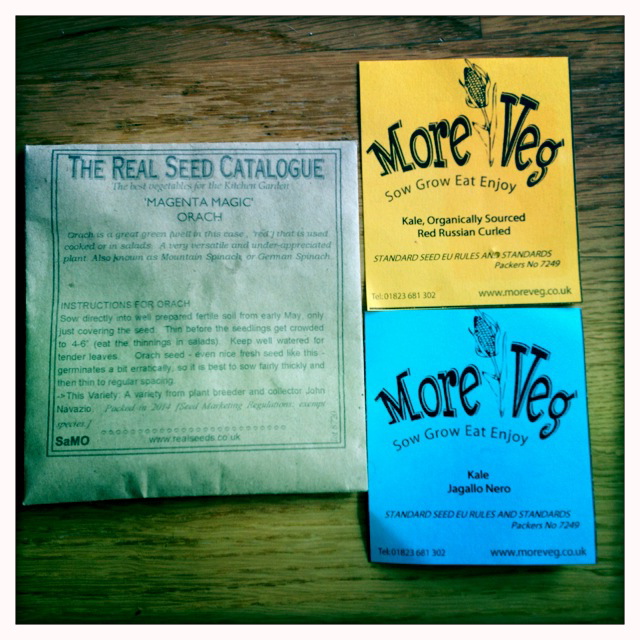
I always like to grow something a little different each year. Last year I grew Asparagus Peas, which don’t taste anything like peas or asparagus, but are rather tannic and fibrous. Revolting! I also grew New Zealand spinach, which isn’t spinach at all. It was awful, it had dark green hairy leaves and tasted bitter. Both crops however provided excellent ground cover,they grew like jungle weed! This year I’ve done a little more research and have chosen ‘Magenta Magic’ Orach, otherwise know as mountain spinach or German spinach.

The seeds are unusual

IMG_7844

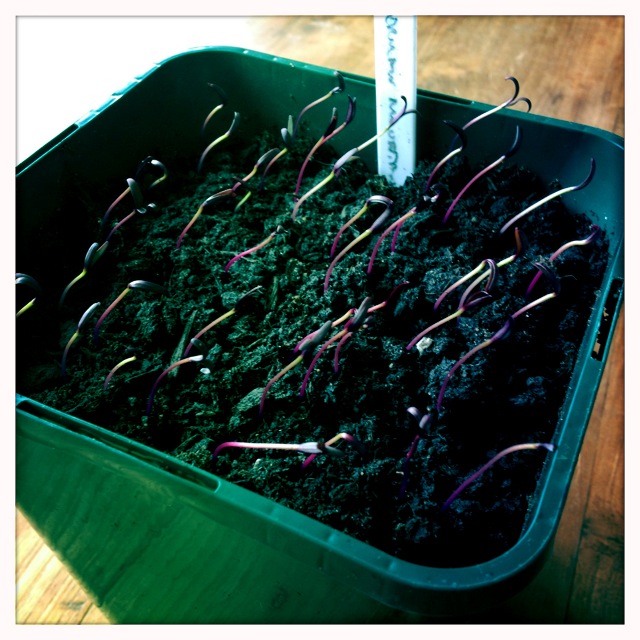
AND as they say seed germination is erratic it’s best to sow the seeds generously…. I did!

IMG_7839

And we have loads of seedlings…. the good news is it’s supposed to be a fabulously tasty leaf to use in salads when picked young. Now to find room at the allotment to fit it all in!

In addition to my absolute favourite kale, Sutherland Kale and Cavolo Nero I decided to try two other varieties. Red Russian Curled Kale and Jagallo Nero, both supplied by MoreVeg

Red Russian Curled Kale

I really don’t enjoy a curly kale, I find the leaves too tough and fibrous even when cooked for hours. This variety is more frilly leafed with a blue-green tint. It’s NOT red!! It can be picked young or left for winter use. It’s supposed to taste delicious…. can’t wait.

Jagallo Nero

This kale produces beautiful blue-grey jagged leaves with a mild cabbage flavour. I think it will look rather lovely on the plot.

Lettuces

IMG_7860

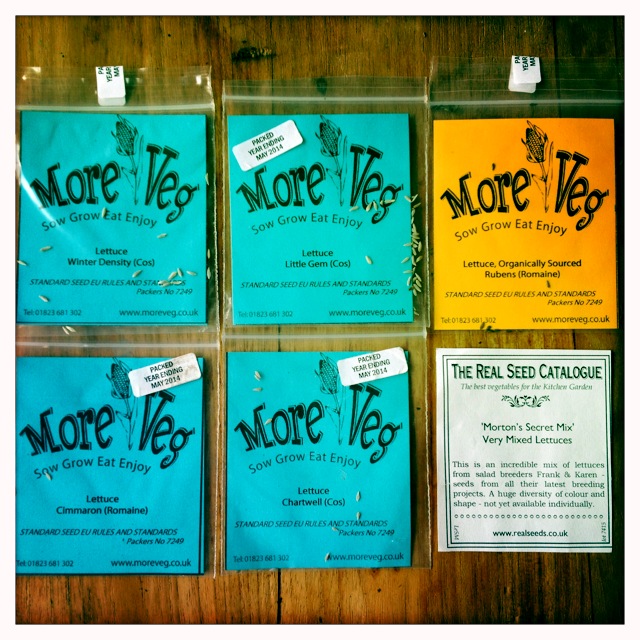
Last year I grew all my lettuces at home, and I didn’t sow sparingly… whilst most people grow beautiful flowers in pots,  I was over run with iceberg, butterheads, oakleaf, and little gems to name but a few, in my pots. This year I’m concentrating on the lettuces I eat the most, which are the lovely crunchy Cos and Romaine lettuces. They also store much better.

Oh and of course it wouldn’t be the same unless I grew some of The Real Seed Catalogues ‘Mortons Secret Mix’.  A selection of lettuces, some of which are unavailable anywhere else. It’s a real surprise to see what pops up.

Dandelion Red Rib

IMG_7846

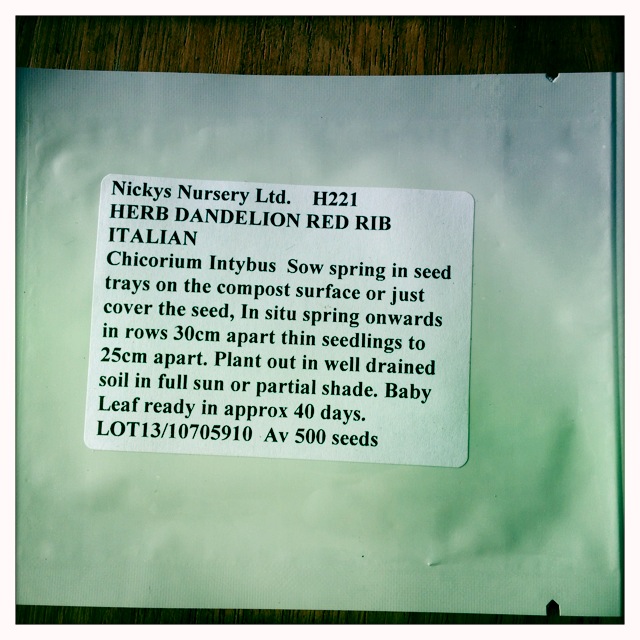
One of the most delicious salads I have ever eaten was during a lazy lunch at St John Bar and Restaurant, Smithfield, many years ago. It was a salad of dandelion leaves and crispy pork with the most heavenly dressing. I often think about that salad and I have always wanted to recreate my own version. So when I saw Dandelion Red Rib seeds available I had to get some. I have no idea how to grow them but presume sowing seeds in modules will work.?!?!?! I plan to grow some at the allotment too. The irony will be, this will be the one weed the snails and slugs will want to eat!! I’m very excited to be trying this.

Flowers

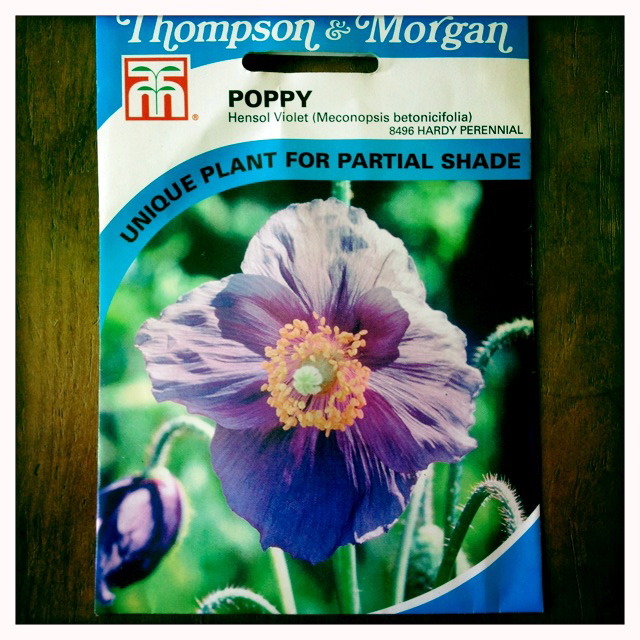
Poppy

IMG_7320

Having failed to grow many poppies naturally at the allotment I sowed some seeds in modules. We chose this variety, mainly because we love the colour. Keeping everything crossed. If only they germinated as well as the German spinach!

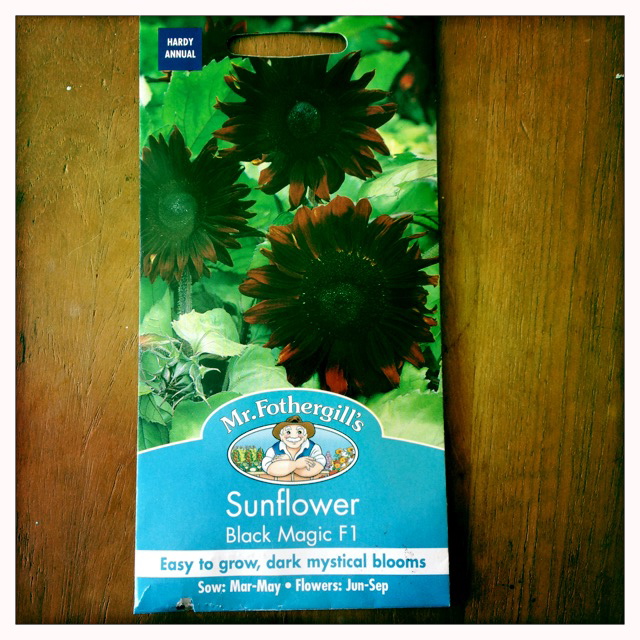
Sunflowers

IMG_7331

IMG_7324

The allotment wouldn’t be the same without sunflowers. We have chosen Black Magic F1 and Italian White.  They don’t grow too tall and look amazing. Black Magic is the deepest dark chocolate colour and then there is the pretty delicate white flowers of the Italian White.

Last year I grew some Vanilla Ice, they were more like custard creams, YELLOW! They are a definite NO this year. I’m slightly yellowist!

I also LOVE Velvet Queen but sadly there just isn’t enough room this year.

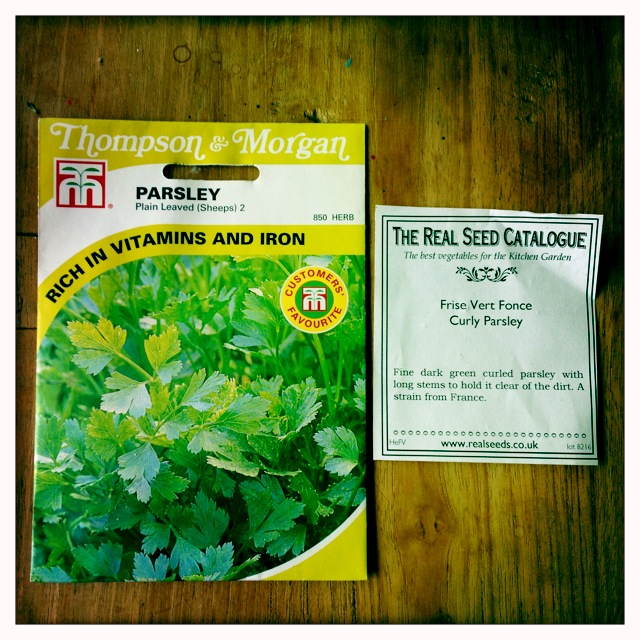
Herbs

IMG_7850

There is really nothing like the taste fresh parsley and I enjoy both flat leaved and curly leaved parsley, so naturally I’m growing both! I grew some last year with great success and hoping the same will be true this year. Germination can be difficult, so only time will tell.

Cumin

IMG_7855

I haven’t grown cumin before but I love using the seed so I thought it may be fun to see how it turns out.

Posted in Sowing and Growing

Allotment Journal: Plot Update

We had a bit of a mini heatwave at the end of last week so we took advantage of the beautiful weather and got busy on all three plots. Trying to make up for last weeks lack of activity!

Plot One

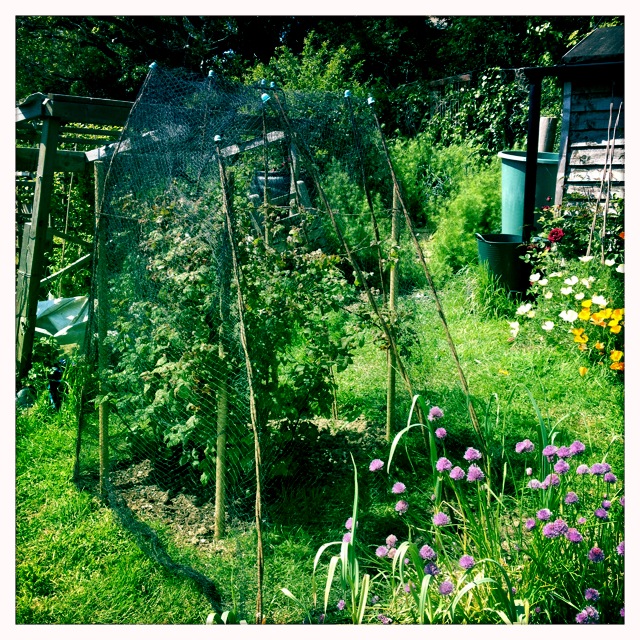
I have finally managed to ‘hair-net’ the tayberries. I cobbled together a make shift fruit cage, yet again drawing from our large supply of twisted willow bean poles, some fruit netting and a few cane toppers, saves losing an eye!

Image

I know it’s not pretty, but it still allows the bees to visit and most importantly it should keep that thuggish gang of magpies from devouring our precious crop of tayberries. I’m looking forward to enjoying them for breakfast with jumbo rolled oats and greek yoghurt. I hate disappointment!

YAY! The strawberries are beginning to ripen.

Image

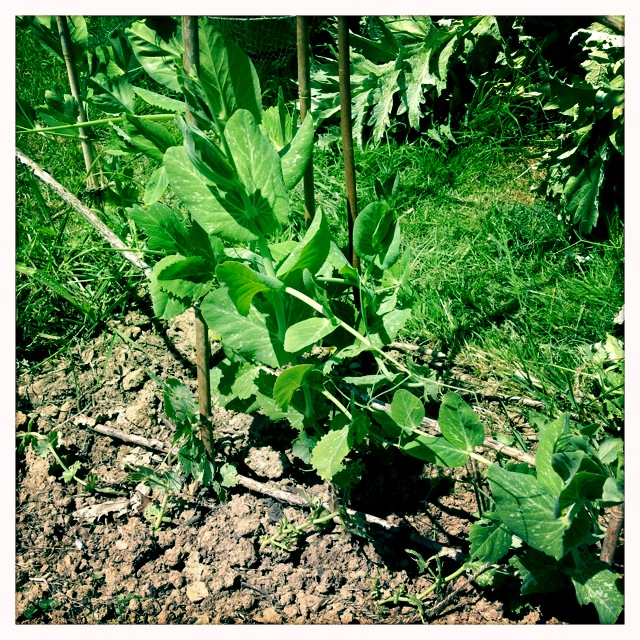
The Champion of England peas that I sowed in March, using seed that I saved from last years crop, continue to grow well.

Image


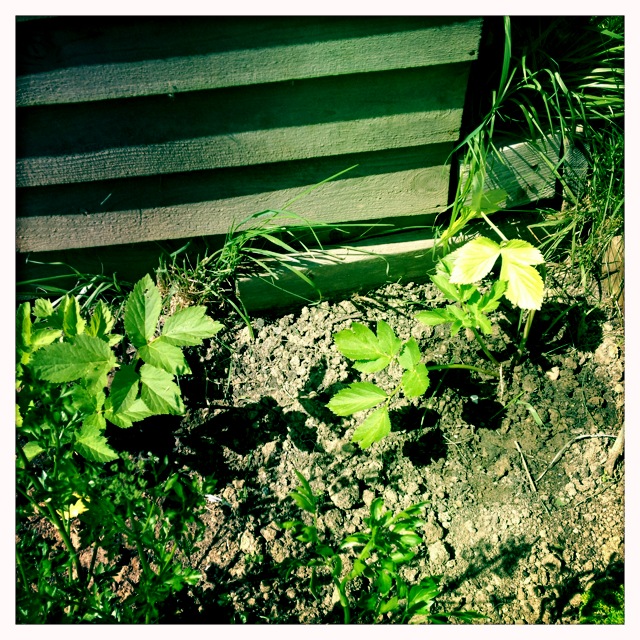
I found another angelica plant at the garden centre, it was there all on its own, how could i resist….?  so I planted that and we now have two.

Image

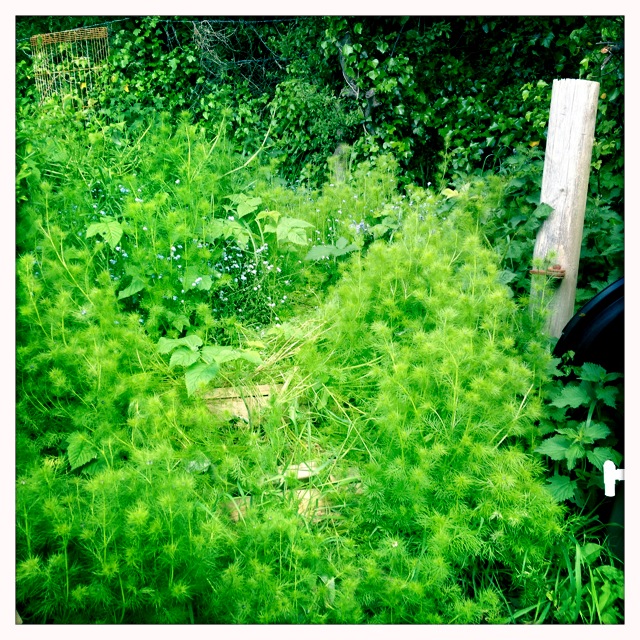
Something has trudged through the wildflower garden trampling down the Nigella. I think it was that very annoying Mr Fox wearing hobnailed boots!

Image


The orchard plot

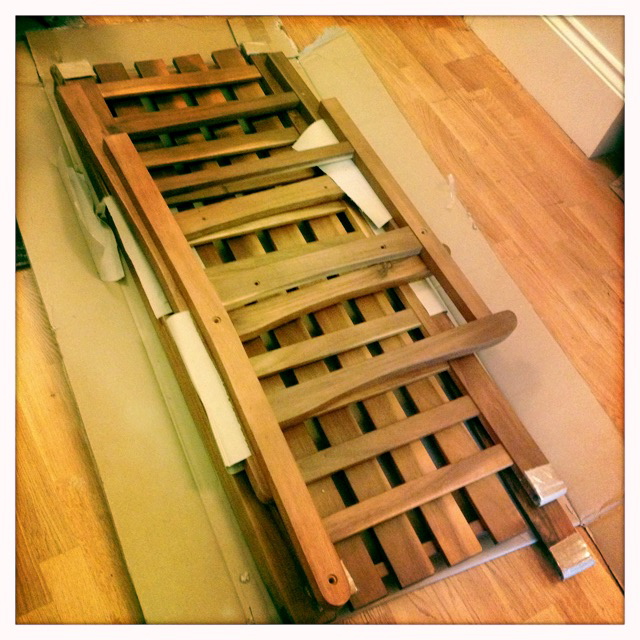
We finally have a bench to sit and relax on. It came flat packed…

Image

I looked at the Farrow and Ball colour charts, and after much deliberation, I made haste to Trade Paints and got busy with a paint brush. 8 hours later it was transformed.

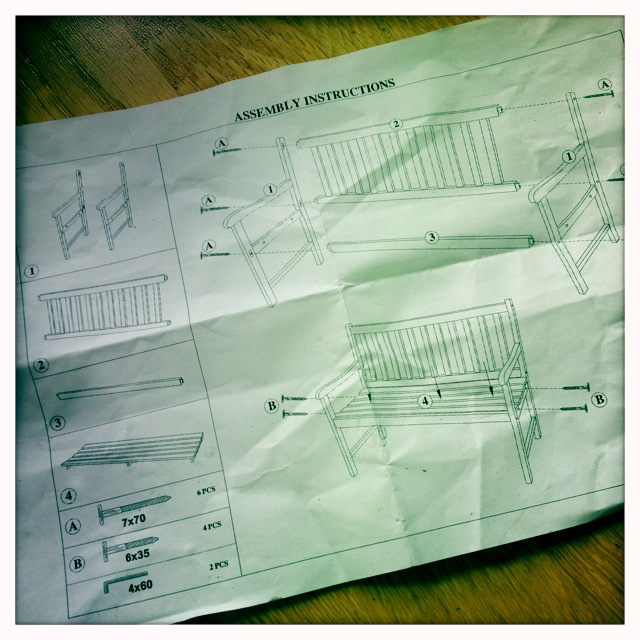
I popped it into the back of my Mini, which is surprisingly spacious, and off we went to the allotment with instructions, bolts and a hex key. How hard could it be to assemble? Just 5 bits of wood and 10 bolts.

In fact one reviewer said:

‘Was able to assemble on my own, and I am a woman’

Image


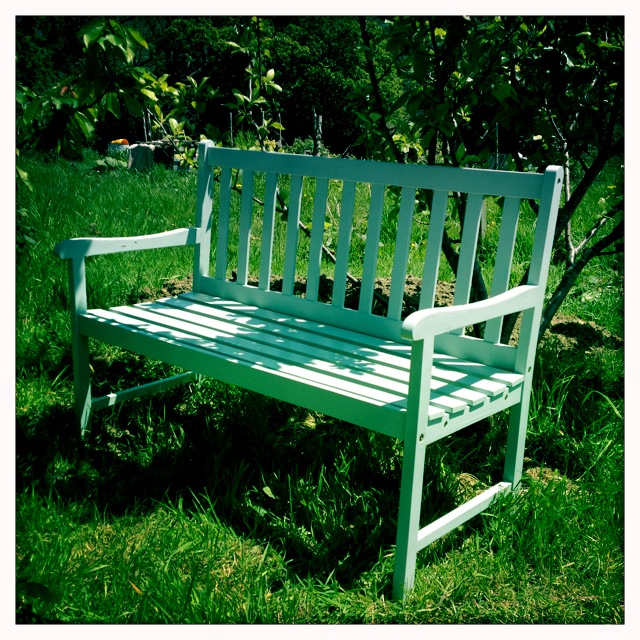
Honestly, unless that woman is an octopus it’s IMPOSSIBLE to assemble on your own! There were a couple of tense moments as the nearly assembled boltless bench collapsed, I’m not the most patient person, but we soon figured it out and here it is……

Image


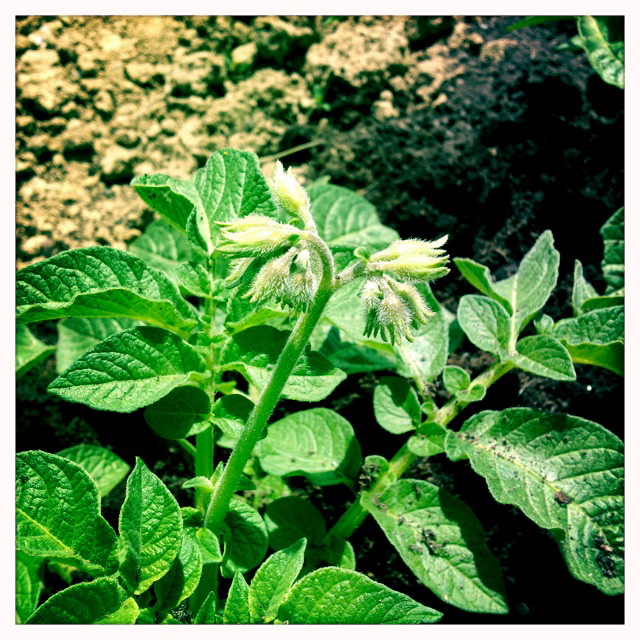
I continued to earth up the potatoes and I noticed that the Premiere potatoes, they are a first early variety, are starting to form flowers. Our first early potatoes should be ready to harvest from late June to mid July. We need to wait for the flower buds to open or to drop…. unless of course they are eaten by those pesky birds.

Image


Plot Two


We have spent the majority of our time on plot two this week. It’s been slightly neglected recently and the weeds have returned with a vengeance. So I weeded and dug over the front two vegetable beds, removing the bolting parsley, now in it’s second year.

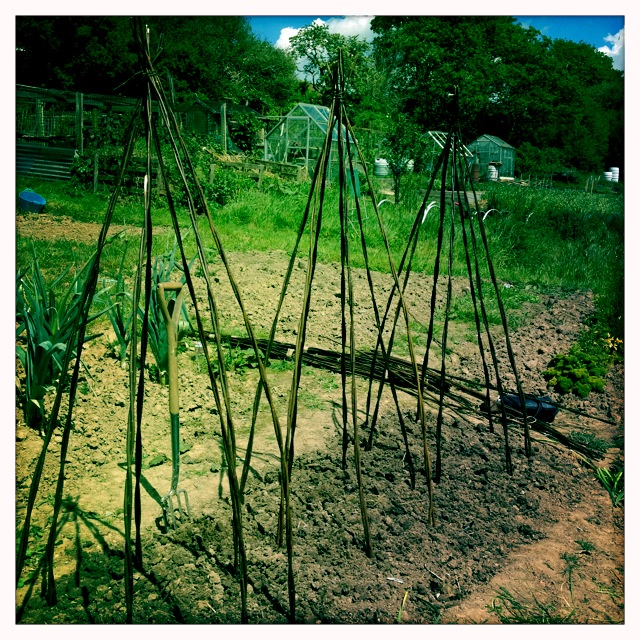
I constructed more ‘wig-wams’, 6 in total, 3 on each bed.

Image

We planted sweet peas in one bed and more Champion of England Peas on the other bed.

Whilst at the garden centre I found this aquilegia, it’s called ‘Blue Winky’! Despite a rather silly name it’s gorgeous and goes so well with the lavender. So we planted it in the flower border replacing the dead white scabious.

Image

We removed the ‘bolting’ leeks and prepared the vegetable bed ready for planting the courgette plants, they are ready to go in next week. I’m just hardening them off on my balcony.

Then we sat down to enjoy the glorious sunshine and came up with a final plan for the plot. It’s a rough copy…. it makes sense to us!

Image

The top end of the plot has been a mess for the past year. We created a couple of compost mounds when we initially dug over the plot. There is also an old bath that we dug out from the middle of the plot, bits of old wood, bags of couch weed and bindweed roots and a real compost heap. One could say it’s a bit of an eye sore.

This photo doesn’t show the true horror

Image

So the plan is to remove these two couch weed / bind weed ridden mounds and then to move the proper compost heap, currently in the top tight hand corner of the plot, to where these mounds are. We plan to construct three wooden compost bins to allow for proper compost turning and rotation. However, the most exciting news of all is there will room in the top left hand corner of the plot for a fruit tree. Not any old tree, but my absolute favourite eating apple tree, the discovery apple. I’ve bored everyone rigid with my longing for one of these trees, so I am absolutely thrilled we are going to get one. There are mid season apples trees close by so this solves the problem of having to get a second variety of apple tree for cross pollination purposes. Where we currently have our  compost heap we plan to put up a shed.

So one thing is for sure, we certainly have our work cut out next week!


Posted in Allotment Journal

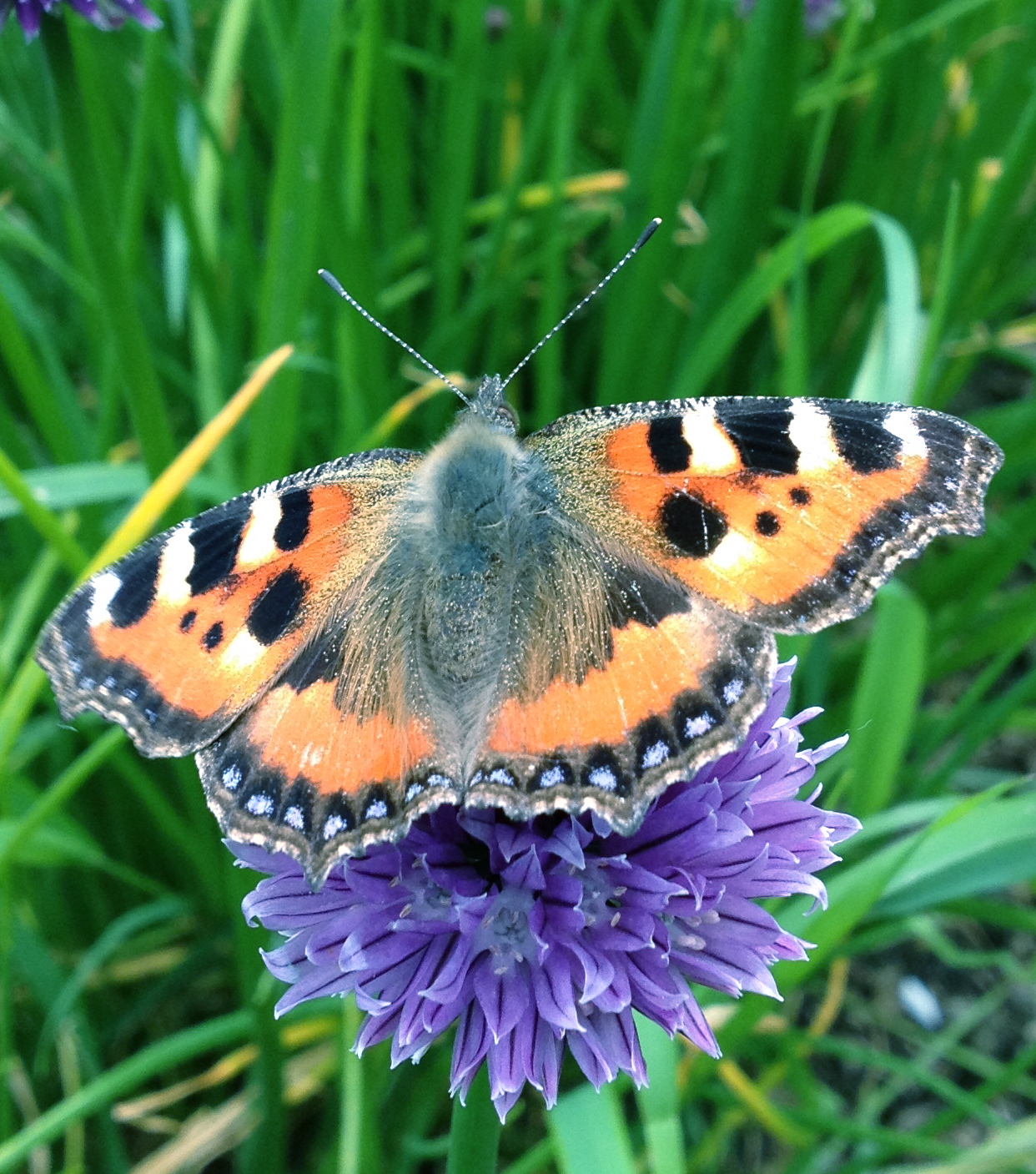
Small Tortoiseshell Butterfly, Aglais Urticae

IMG_7442


The small tortoiseshell butterfly used to be one of the most common British butterflies but sadly it’s been in steep decline in recent years. Therefore it was very cheering to see a number of them fluttering around the allotment this week and they seem to love basking on the chives.

The small tortoiseshell butterfly is one of the first butterflies seen in the spring. It has an interesting life cycle, like brassica’s and leeks it over-winters! Okay, hibernates. There are two generations of small tortoiseshell each year, and it’s the second generation that hibernates. The butterflies find a sheltered spot during the coldest harshest winter months to hibernate and then emerge as the days start to warm up in March and April.

In the spring the female lays around 70 to 100 eggs on young tender common nettles, the caterpillars main eating habitat. After about 10 days the caterpillars appear, they spin a dense web over the plants growing tips for protection. The caterpillars tend to stay together as a group when young, only dispersing if there is insufficient nettles to eat and then to pupate. The caterpillars eat non stop for about a month; I’m thinking back to that wonderful children’s book, The Very Hungry Caterpillar by Eric Carle, although I’m sure these caterpillars don’t devour cupcakes or Swiss cheese! Once nice and plump they are ready to pupate. They can travel, waddling obviously, up to 15 meters to find a suitable safe place to pupate. The adult butterfly emerges after about a month. The first of these butterflies appear in July.

In conservation terms it’s worth cutting down nettles in June, it makes great compost. New tender shoots appear in July/August just as the small tortoiseshell is looking to lay eggs. The breeding cycle starts all over again. The first of these butterflies appear in October. The average lifespan of a small tortoiseshell butterfly is 8 months.

The small tortoiseshell butterfly is a welcome addition to the allotment as it helps pollinate our crops without devouring them like the super pest of last year, the cabbage white butterfly. There were so many cabbage white butterflies last year, at one point the blue sky looked full of white confetti. I’ve seen quite a few cabbage whites already this year but we are much better prepared to tackle their greedy brassica loving caterpillars.

Just as aside, whilst staying in Carriacou, a beautiful tiny island in the West Indies, earlier this year I saw this catapillar.


DSC_1070

It’s a Frangipani caterpillar, a magnificent creature, measuring about 14cm long. And it makes me rather grateful the cabbage white caterpillars don’t grow to this size.

Posted in Insects

Poppies are easy to grow, they say!

Image

Poppies come in a vast variety of sizes, shapes and colour and are annual, biennial or perennial. So many to choose from, personally I love the large purple ones.

Probably the best known poppy is the bright red-flowered corn poppy; a world wide symbol of remembrance.

Then there’s the Opium poppy, Papaver Somniferum, used in various medications including morphine, thebaine, codeine, papaverine, noscapine and of course, the drug opium. The seeds from this poppy are edible. Other varieties that produce edible seeds include Breadseed poppy, Elka poppy, Hungarian Blue Breadseed poppy, Heirloom Pepperbox poppy and the Ziar poppy. All other seeds are toxic!

The bright orange Californian Poppy, Eschscholzia Californica, is native to the US and Mexico and it’s the official state flower of California. We planted this by our shed, it certainly adds a splash of colour!

IMG_7402

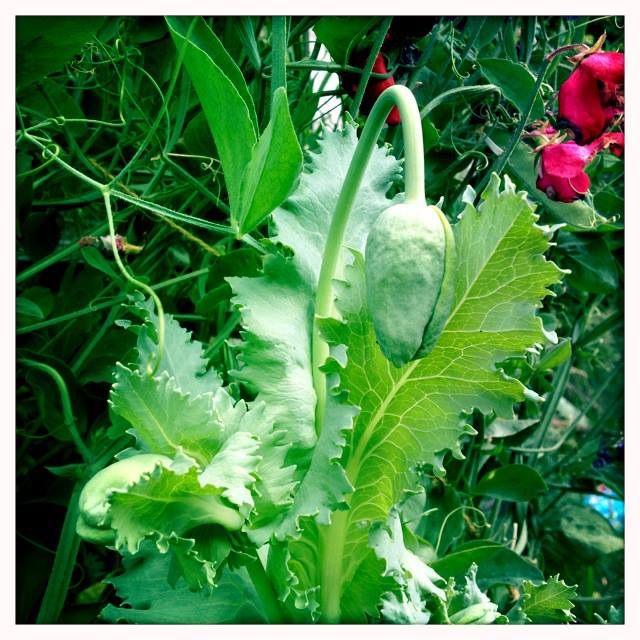
Poppies have to be one of my favourite flowers, not because they have an amazing scent, on the whole they don’t, but because they add a bit of theatre to any garden. The plant grows from a tiny seed into a relative giant. Large sculptural jagged leaves appear from the ground in mid to late spring. The plant grows at quite a rate and by early summer, enormous ‘swan like’ flower buds unfurl into huge colourful, saucer shaped, floppy flowers with delicate tissue papery petals.

Image

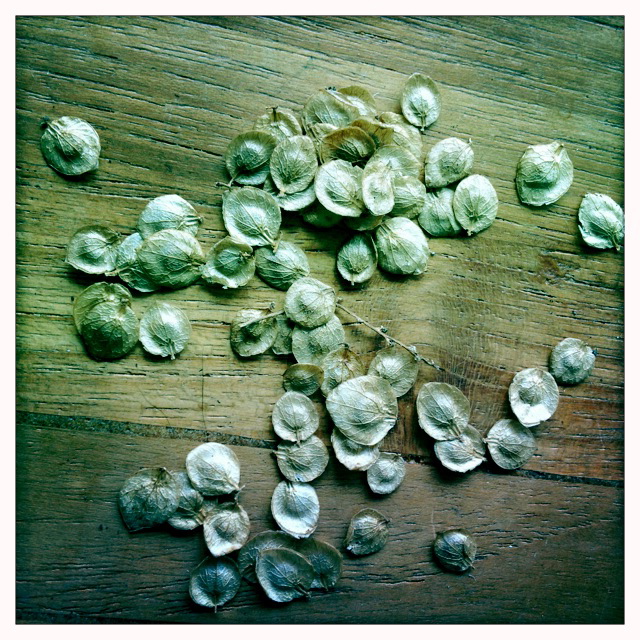
Sadly the flowers don’t last very long but after flowering the plant develops a large seed pod that remains on the plant for some time. To me this is just a beautiful as the flower. The seed pod contains ‘ far too many to count’ miniscule kidney shaped seeds.

Image

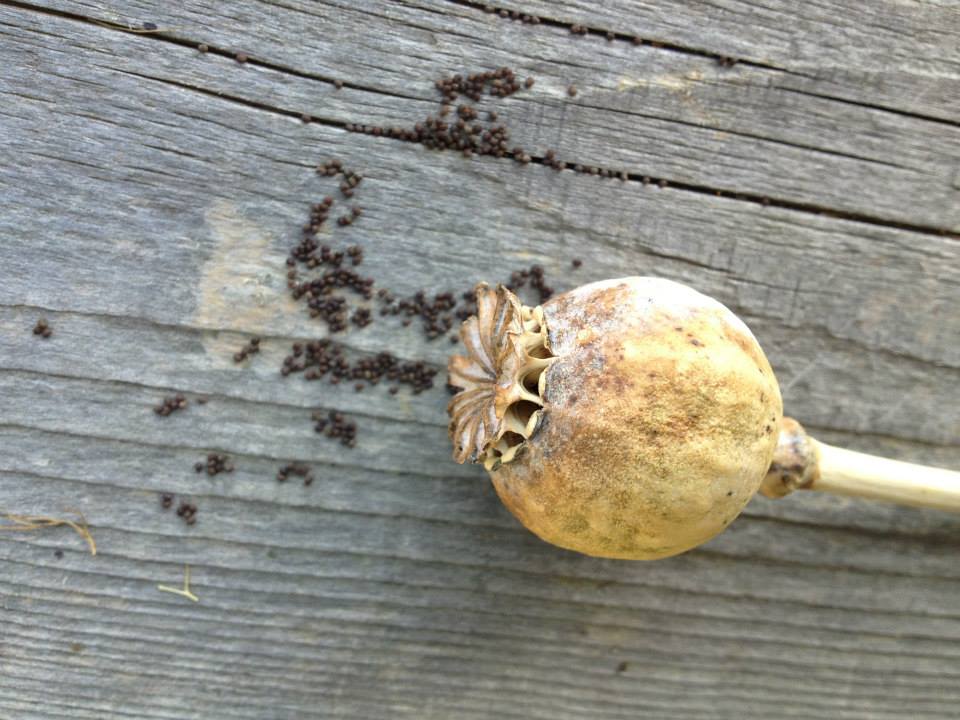
The hot summer sun dries out the seed pods and ripens the seeds inside. The seed pot turns from a slivery green to a pale brown. As the seeds ripen the ‘vent’ at the top starts to open up.


Image

At this stage the seed pods can either be cut from the plant, taking care to keep the pod upright so not to lose the seeds. The seeds can be harvested by tipping the pod upside down into a container; literally hundreds of seeds will pour out. Alternatively the pod can be left on the plant to allow the plant to cast seeds naturally. Natural elements will eventually break down the pod structure exposing the seeds inside.

Image

We have tried to grow poppies for the past three years without much success.

In our first year we failed to get a single poppy despite scattering hundreds of seeds in the autumn and the spring.

Year two, one plant popped up, the magenta one featured in this post. Filled with optimism for many more plants the following year we allowed the plant to cast seeds naturally. We also harvested some seeds to scatter in the Autumn and again in the Spring.

Since mid April we have been inspecting the ground expectantly on each visit. Finally this week we noticed that THREE seedlings have appeared. We are thrilled to have three seedlings but given the number of seeds we scattered it’s puzzling why there are not more.

Why aren’t we more successful at growing poppies?

I looked into poppy seed germination and discovered the following:

  • Annual poppies grow well in poorer soils.
  • Poppy seeds need a spell of cold weather to germinate.
  • Allow seeds to self seed naturally.
  • Sprinkle additional seeds in the Autumn and again in early Spring.
  • Poppy seeds need light to germinate.

The mystery deepens because we have followed the above conditions. Maybe it’s possible that the seeds have been eaten over the winter period or they simply rotted? Maybe the seedlings emerged but were quickly devoured by hungry snails and slugs? Whatever the reason, we have only a few poppy plants again this year so I decided to take the matter into my own hands.

Whilst it’s a bit late to do this and I know poppies don’t like to be transplanted, they have a tap root and don’t transfer well, I have sowed some seeds in modules. I have no idea if this will be successful as the seeds haven’t enjoy a period of stratification, but as Maureen at the allotment says, it has two chances!

Posted in Flowers

Allotment Update: Plot Update

There’s not been a huge amount of plot activity this week #slacker.

Whilst I love being outside, I’m a fair-weather gardener. Cold winds are really not my thing, and it’s been a rather cold and windy week with a bit of heavy rain thrown in for good measure. Saying that, I have been fairly busy at home. I’ve taken delivery of a new flat packed wooden bench; it’s been transformed into something wondrous. I have also potted on many of the seedlings. Giant Bulgarian leeks (they grow a metre tall… I know!!), Amposta Sweet red onions, Bleu De Solaise leeks and various kales and spinach. However, I promptly killed the kale and spinach seedlings. I thought I would harden the little fella’s off but I didn’t anticipate the murderous coastal gale force winds. Borlotti bean and Moonlight runner bean seedlings suffered the same fate. Within hours my lovely healthy plants looked as if they had melted. Disaster! So I’ve been busy re-sowing all of the above! Talk about make extra work for myself.

So, on the few occasions I’ve made it to the allotment this week, I’ve concentrated my time on the orchard plot. Here’s what I did.

Earthed up potatoes

Hoorah, the potatoes are leaping into action. With lots of foliage appearing (As you can see the seed potatoes were planted in a lovely straight line!) it was time to start earthing them up….. rather hoping many little potatoes are beginning to form underground.

Image

As the quality of the soil is so poor we are using compost to earth up the potatoes. This will not only provide the potatoes with lots of extra nutrition but the addition of organic matter will help improve the soil structure.

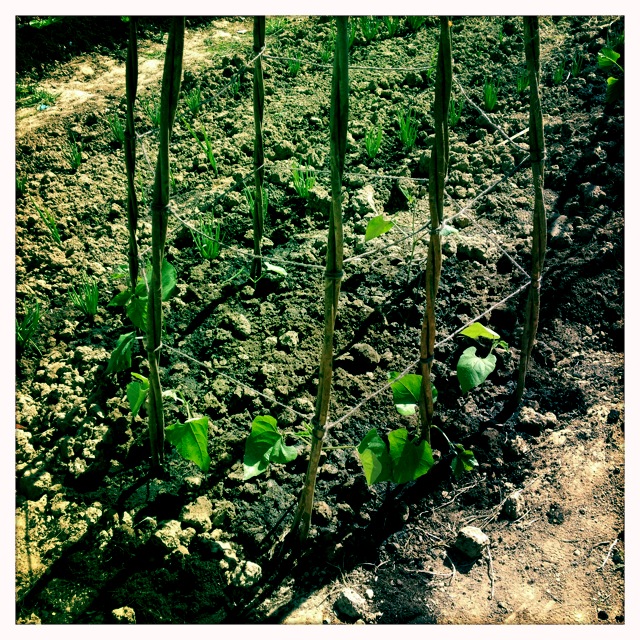
A bit random, but I built some ‘wigwams’ so I could plant out some more sweet peas…

IMG_7202

Last year we bought loads of twisted willow bean poles. Rather than using the traditional bamboo sticks I decided to make use of these bean poles.  I tied them together at the top with tarred twine and used ordinary twine around the structure to give the plants tendrils something to grab hold of as they go skyward. The end result, things of beauty, I thought.

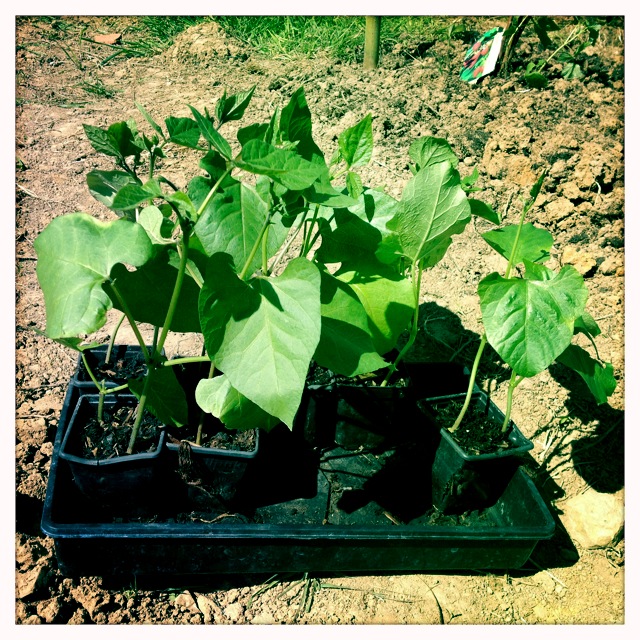
Just as I was about to leave a fellow allotmenteer wandered by and offered me some runner bean plants, 14 plants in total. The exact number of poles I had just constructed. How could I refuse such kindness? Especially as mine had ‘melted’ from severe wind burn the day before… hoping these are a wind resistant variety.

IMG_7217

So in they went.


IMG_7222

The orchard plot is now looking like this. Still so much to do, we need to clear the remaining couch weed and the final compost mound, but we are getting there slowly….

IMG_7234


And most importantly, I’m thinking it’s missing something, a bench so we can sit under the fruit trees and enjoy a cup of tea, or in my case, a diet coke.

Posted in Allotment Journal

Allotment Journal: Plot Update. It’s been a fruitful week!

Most of the work we’ve done this week has oddly been to do with fruit. I suppose it’s that time of year,  we have given the fruit trees and fruit plants our priority mainly so we can protect the emerging crop.

Strawberries

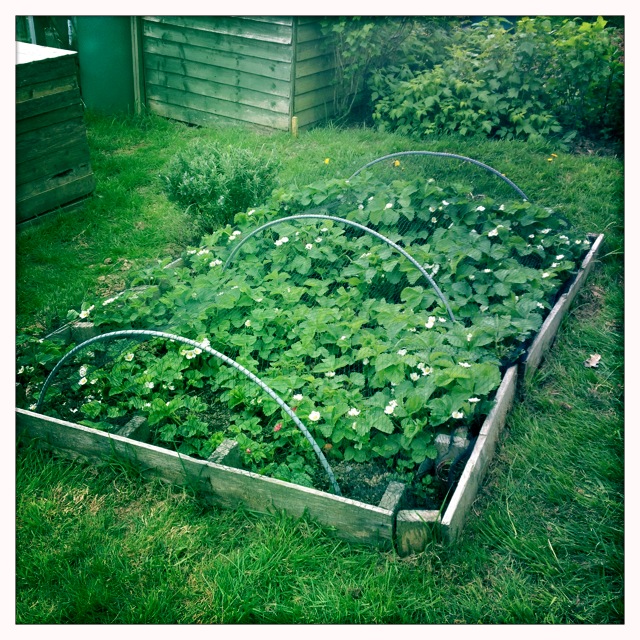
The strawberry plants on plot one have been flowering for a couple of weeks now and it won’t be long before fruit starts to form. Once the berries start to ripen, the brightly coloured soft fruit is easy pray for hungry birds. To me, netting strawberry plants is essential.

This year we wanted a much more simple and aesthetically pleasing structure than last year. Last year we had a huge ‘very allotment’ cage structure.  With the exceptionally strong winds we experienced, it ended up resembling something like the leaning Tower of Pisa!  Picking fruit was a challenge as we would get tangled up in the metres of side netting as we entered the cage and it was impossible to stand up. So we found the hoops from last years brassica cage and used those. We placed a fruit ‘grade’ net over the top and pinned it down. This should allow the bees to continue to pollinate the flowers and provide easy access for us. We can simply lift the net, pick the fruit and replace. Not perfect, but it certainly looks better and is much more practical than last years effort!

Image

Fruit Trees

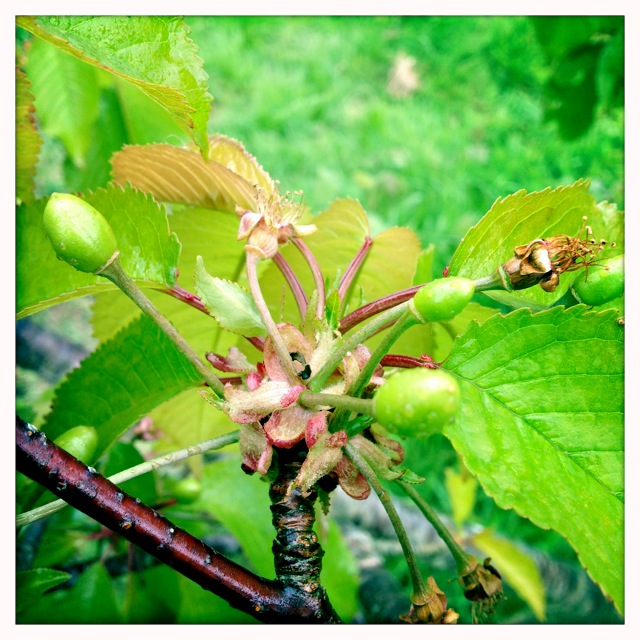
Last year the fruit trees on the orchard plot produced a lot of young fruit in April/May however, the baby fruits fell from the tree in June. Something known as June drop. The tree literally ‘drops’ any diseased or damaged fruit from the tree. At the time we were new to fruit trees and knew absolutely nothing about June drop. We were horrified that literally 5 pears, and a single plum remained. All the cherries had been eaten by the birds!

In a bid to bring the trees back to health we pruned them in the summer and this year I decided to spray them with seaweed fertilizer. I’m hoping this will help give the leaves and the fruit some ‘organic’ protection against disease and help aid fruit development. I have no idea if it will help, but I don’t like chemical sprays so I thought it was worth a try. We will see if it’s helped come June.

The emerging cherries

Image

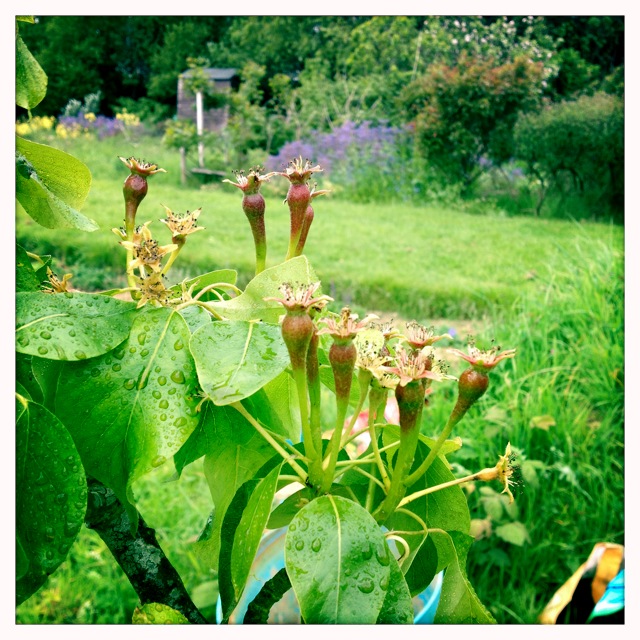
And emerging pears

Image

Tayberries

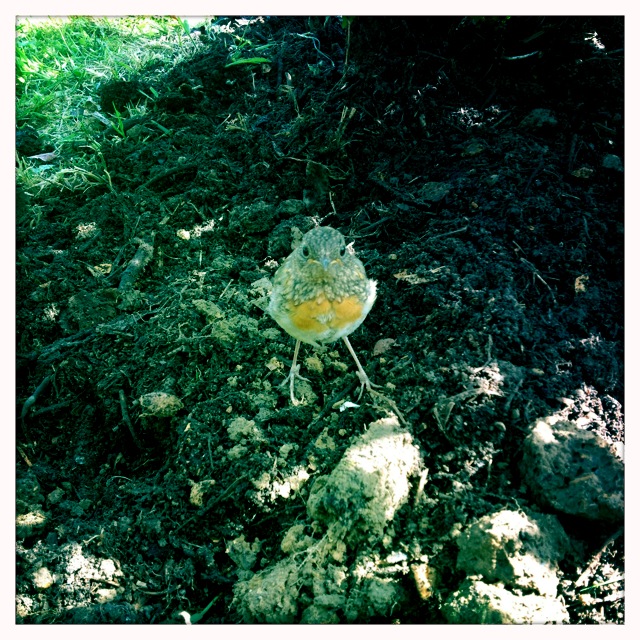
We have finally tied in the unruly tayberries. We removed the old structure, dug the bed, removed all weeds, added larger posts and then piled a large bag of our own compost around the plants roots. Shortly afterwards we had a visitor. A very friendly baby robin.

Image

Before ‘Octopussy’ was tied in

Image

And after

Image

We probably need to put in a better structure next year to help improve the air circulation. But at least we will no longer get snagged every time we pass by! I think we will net the plants shortly.

Raspberries

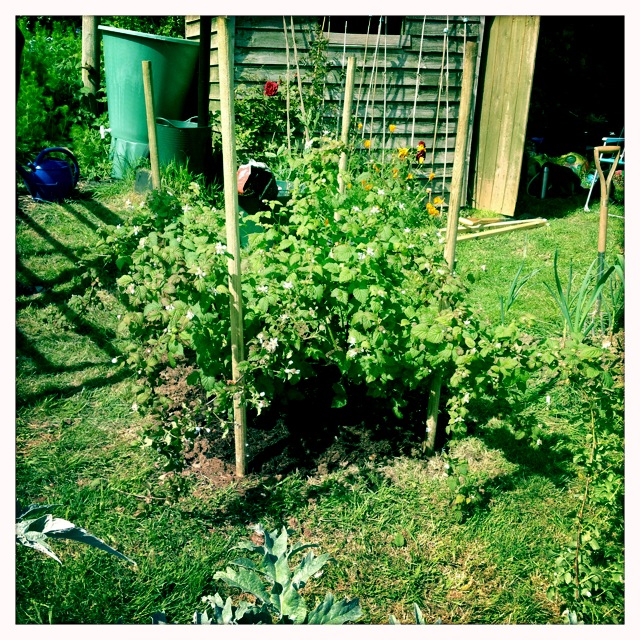
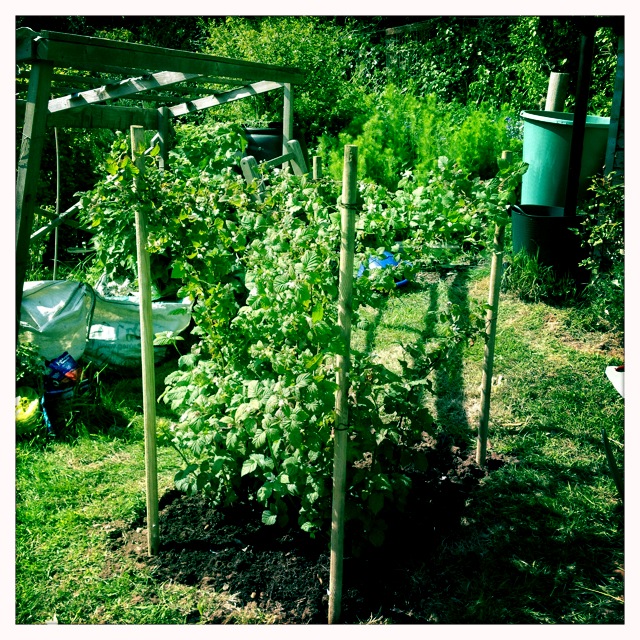
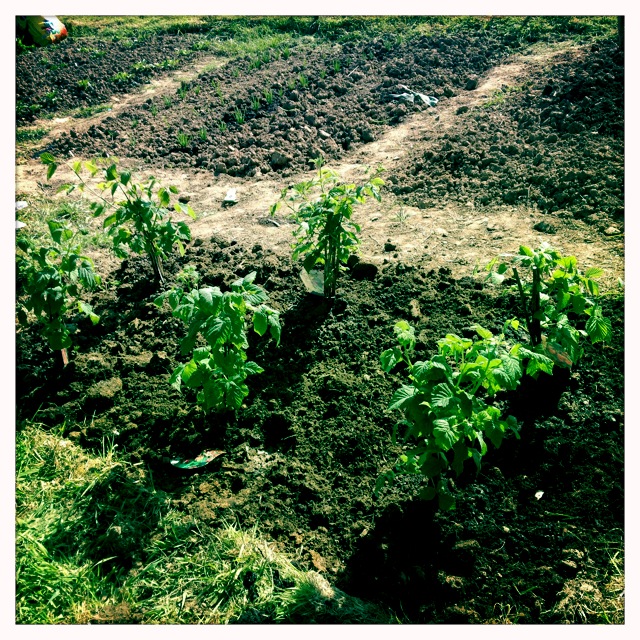
We also planted our 6 raspberry plants on the orchard plot.

Image

We will build a support structure for them shortly.

And Finally…….

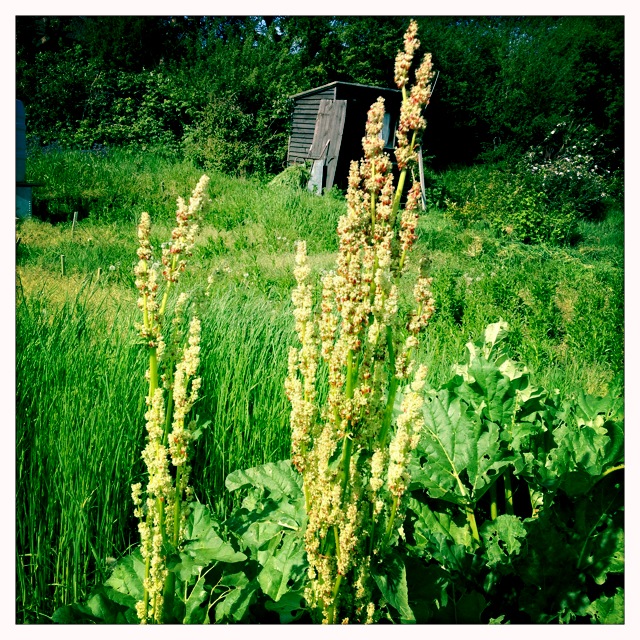
This is what a rhubarb flower looks like if left on the plant. I was passing an abandoned plot and saw this magnificent flowering spire.

Image

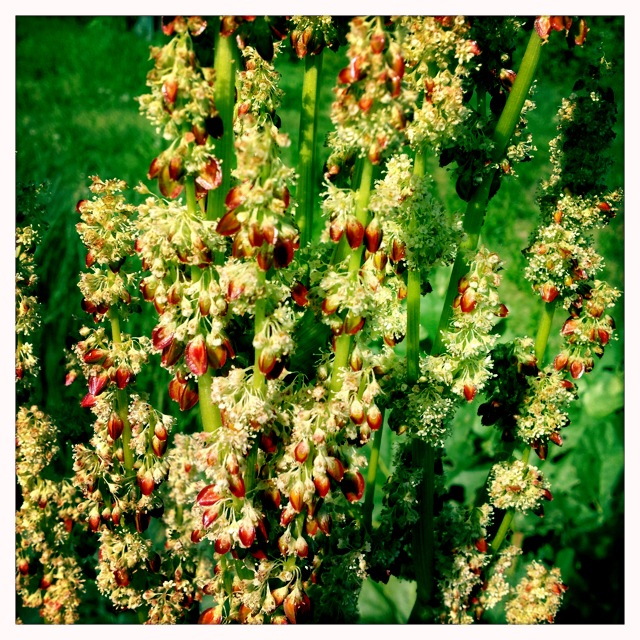
It’s an extremely tall flower spike, with ‘pomegranate seed’ type flowers that dangle down and glisten in sun.  It’s rather unusual, almost out of this world, yet strangely beautiful when seen up close.

Image

Posted in Allotment Journal, Fruit, Rhubarb, Strawberries, Tayberry

Bloomin’ Glorious!

I love this time of year, plants and trees are coming to life and we already have numerous plants providing a beautiful display of colour.

One of my favourites is this climbing rose called Rosa Guinee, bred in 1938 by Charles Mallerin. It almost signifies the arrival of spring as it’s one of the first roses to come into flower. Guinee forms beautiful pointy flower buds in April and by the beginning of May we are enjoying an abundance of large, deep-crimson, heavenly scented flowers.

Image

I’m not especially keen on red roses usually, but whilst visiting Harborough Garden centre, near Rye, a couple of years ago, I came across this rose; technically it’s a hybrid tea climber despite it’s huge flowers. It was growing up an arch. As I passed through the arch the perfume coming from the rose was captivating. I couldn’t leave without it. To me, it’s how a rose should smell, and it never fails to make me smile.

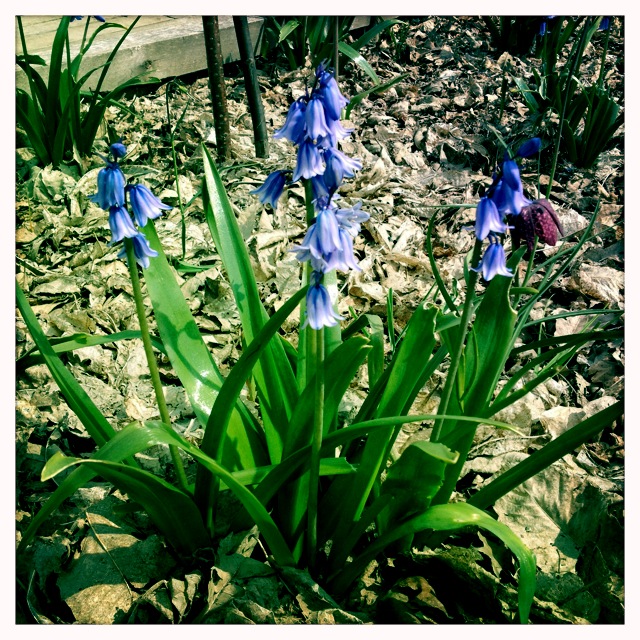
The English Bluebell

Image

We planted some Bluebells bulbs, in the wildflower garden on Plot one, a year or so ago. We have been rewarded with some beautiful flowers this year.

The English Bluebell is much more delicate than the Spanish Bluebell, seen below. The English Bluebell has narrow leaves, unlike the fleshy broad leaves of the Spanish variety. And the English Bluebell ‘bells’ are longer, narrower and the ends curl up much more. Whilst the Spanish Bluebells are still very pretty there is nothing quite a beautiful and exciting as the emergence of English Bluebell in the spring

IMG_6509

Forget-Me-Nots

Image


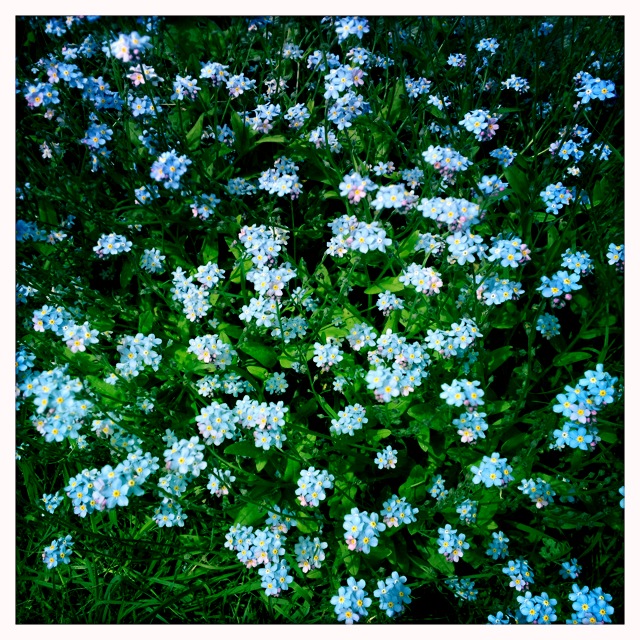
We have a blaze of these in the wildflower garden

Chives

Image


The chives are in full bloom,  a row of pretty lilac pom-poms. Although a shame to pick them, the flowers are delicious scattered in salads.

Aquilegia ‘Nora Barlow

Image


We planted this a couple of weeks ago on the orchard plots flower border. Another pom-pom type flower, but these are on long stems and hang down like bells. The flowers are incredibly delicate and pretty.

Geranium ‘Johnson’s Blue’

Image


Again we only planted this on the orchard plot a couple of weeks ago and we are already enjoying deep-lavender-blue flowers. These plants should flower from May through until August.


Posted in Flowers

There’s a new pest at large!

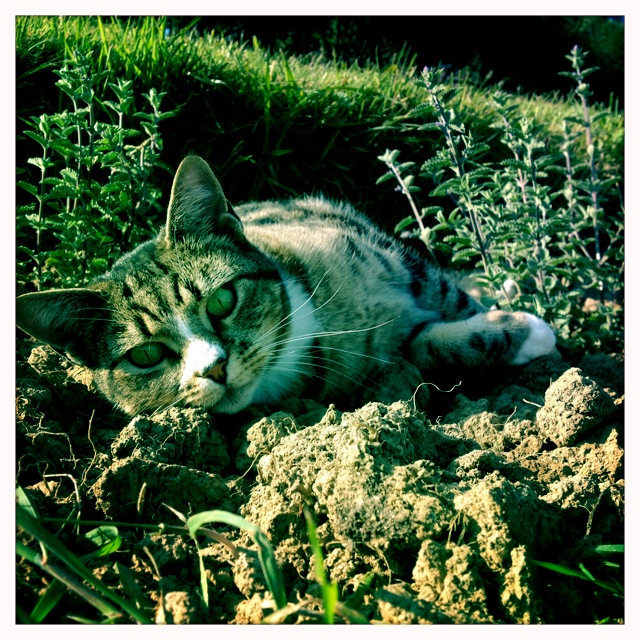
Yesterday I was enjoying the beautiful spring sunshine as I continued to dig out the couch weed on the orchard plot. I stopped for a break and looked over to admire the newly planted flower border. There was something amongst the foliage……

Image

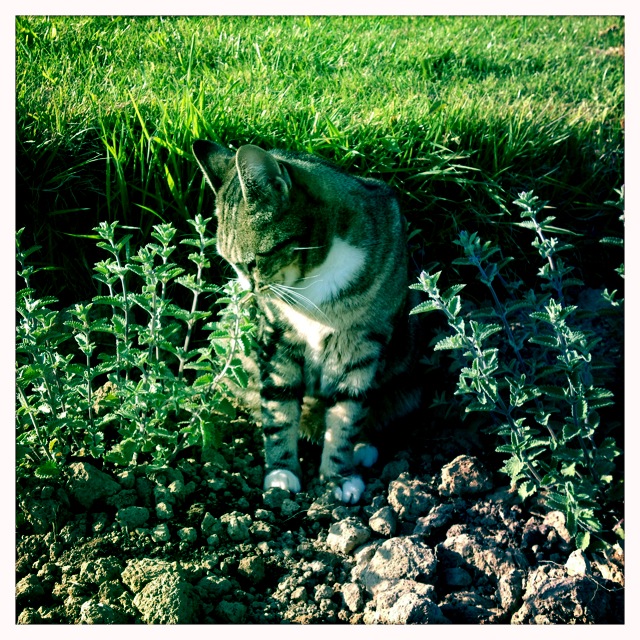
A furry feline pest…..it was Poppy the cat. She is a stray but is looked after by the lady who has the most wonderful wild plot opposite. Poppy often follows Sue to the allotment and spends her days basking in the sunshine. I adore cats but they are funny creatures. They will only visit if it suits them. Having never paid me any attention before it was clear Poppy wasn’t there to see me, but to enjoy the kitty pleasures of our Nepeta Six Hills Giant, commonly known as CATMINT!

Image


We selected this plants because it is a fully hardy perennial producing a stunning blaze of lavender-blue flower spikes from May through to October. It attracts bees, butterflies and CATS!

So why do cats go bonkers over catmint/catnip? There is an active organic compound in Nepeta called Nepetalactone. This compound is believed to mimic a cat pheromone. Cats are attracted by the scent, and it’s through the cats olfactory system, or the system used to process smell that causes this! 

Image

Fortunately Nepeta is a fairly vigorous plant. I’m hoping they can sustain the odd Poppy visit and it’s not another trip to the garden centre to replace our plants!

Posted in Pests

Allotment Journal – Plot Update

A large part of this week has been spent keeping the grass under control and digging out weeds. With warm temperatures, longer daylight hours and the odd day of rain nearly everything that we don’t want to grow is growing, and growing at quite a pace. We also planted the young rhubarb plants and dug out the raspberry bed on the orchard plot. We replaced a few of the lavender plants on plot one, and have done absolutely nothing on plot two!

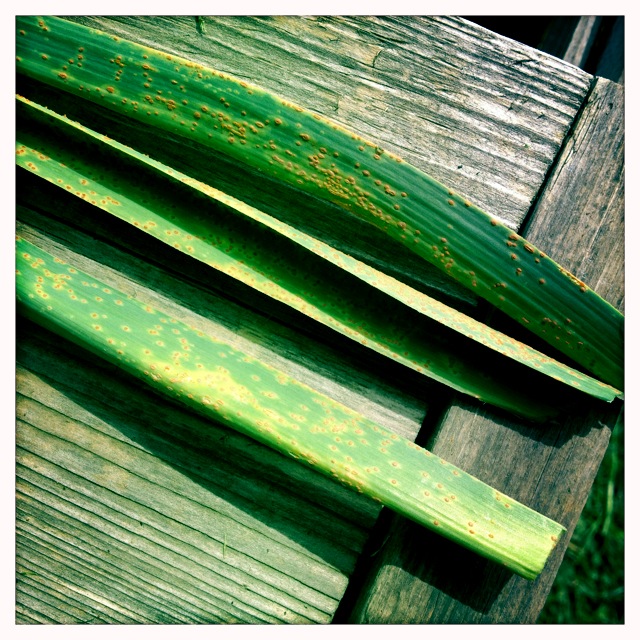
The garlic continues to rust…. They’re not looking especially well…..

Image

The leaves have started to turn yellow, suggesting the rust is now well and truly set in and starting to seriously impact the health of the garlic. Garlic isn’t typically ready to harvest for at least another 6 to 8 weeks depending on variety. I have cut all the infected leaves again in an attempt to nurse these sickly garlic plants through to maturity. You can see from the photo below, the amount of orange blisters is much more severe.

Image

I think that this bout of rust will definitely have a negative impact on the size of our garlic bulbs. I’m just hoping that there is sufficient healthy foliage left to allow the garlic to continue growing and we end up with something.

On the plus side, the strawberries are flowering.

Image

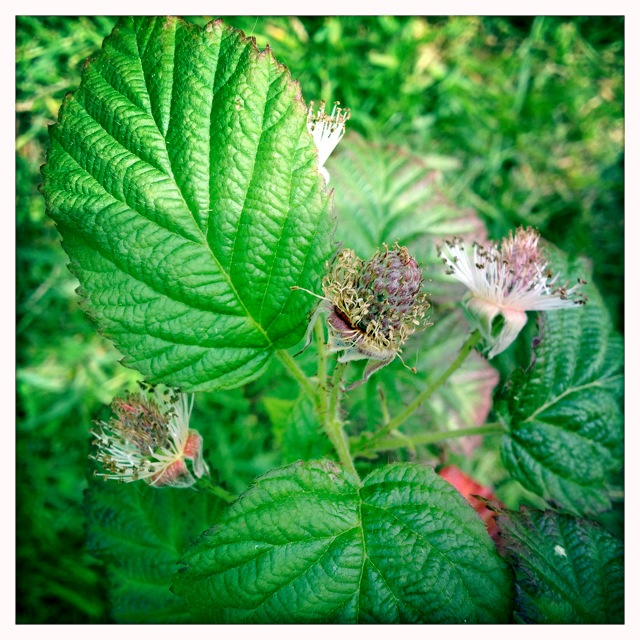
The tayberries are beginning to develop fruit. I shall look to net them soon to prevent the birds from eating our crop.

Image

On the orchard plot, the seed potatoes we planted a couple of weeks ago are beginning to sprout up through the soil.

Image

We’ll let them grow about 10cm tall before we start to earth them up.

We planted the rhubarb. These plants are rather small but they should grow HUGE, so we have spaced them quite far apart.

Image

I also spent 5 hours digging out a bed for the raspberries. I wouldn’t mind but the bed is only 3 metres by a metre! The orchard plot is riddled with couch weed and bindweed so it’s a terribly time consuming task to clear the plot. We decided on a raspberry ‘island’ between the vegetable beds on the right hand side of the plot and what will eventually be the asparagus bed on the left hand side. There’s currently a huge mound of compost there.. that’s a job to be done in a few weeks time.

Image

Now to get to the garden centre to purchase some bean poles and posts for the raspberry and tayberry beds. Cold weather is due over the next week or so, so I’m going to delay planting up the pea, Borlotti bean and runner bean plants. Just as well really as we still need to create the supports.

And finally, when we bought the raspberry canes I couldn’t resist this…..

IMG_6459

It’s a herb called Angelica. It will grow large, up to 8 foot tall. I plan to candy its stems, soooooo 1970’s!  Or make a preserve. Alternatively it can be cooked with rhubarb or apples, to make crumbles. If it’s good enough for Mrs Beeton! The stems are impossible to buy so I thought it would be fun to try.

It’s a biennial, part of the parsley family, it LOVES heavy clay soil, and dappled shade. We have the perfect spot on plot one. So in it went. Now to wait for it to grow.

Posted in Allotment Journal
Calendar
February 2026
M T W T F S S
 1
2345678
9101112131415
16171819202122
232425262728